









AC vs DC Charging: What’s the Difference?
It's just like Petrol and Diesel they are both fuel but with electricity, it's a difference in voltage.

AC charging is slower and used at home, while DC charging is much faster and used at public rapid charging stations.
Key Differences
Feature AC Charging DC Charging
Speed Slow Rapid
Location Home / Work Public Locations
Cost Cheaper More expensive
Use case Daily charging Long trips
AC Charging (Home Charging)
- Uses your home electricity supply
- Typically 7kW chargers
- Ideal for overnight charging
DC Charging (Rapid Charging)
- High-powered stations
- Converts energy before entering the car
- Used for quick top-ups
Which Should You Use?
- Daily use → AC charging
Long trips → DC charging
Most EV owners use both
FAQs
Is DC charging bad for batteries?
Frequent rapid charging can increase wear slightly, but modern EVs manage this well.
Why is DC charging more expensive?
Higher infrastructure and energy delivery costs.
Related Articles
-
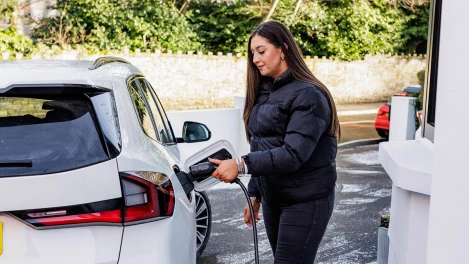 How long does it take for grass to grow? For paint to dry? Charging an electric car varies in duration depending on several variables. Let’s break these down.
 -
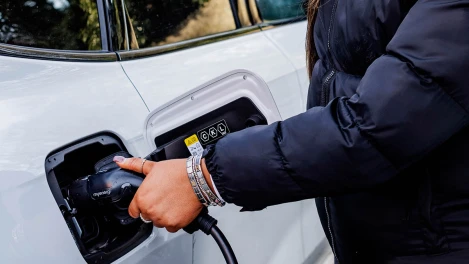 Our EV charging systems are made with our dicey climate in mind, with weatherproofing features to keep you and your vehicle safe, whatever the weather.
 -
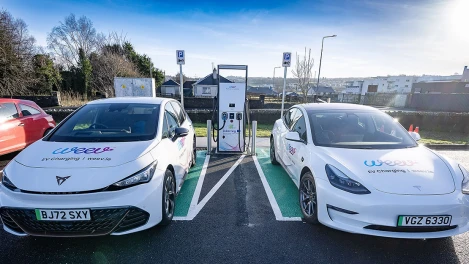 Recognising the significant financial investment required to create these connections, we go above and beyond to make it worthwhile.